Maximizing Business Impact With Email Marketing
Email still works because you own the list — but only if deliverability, segmentation and lifecycle flows are right. The costs, the maths and the failure modes.
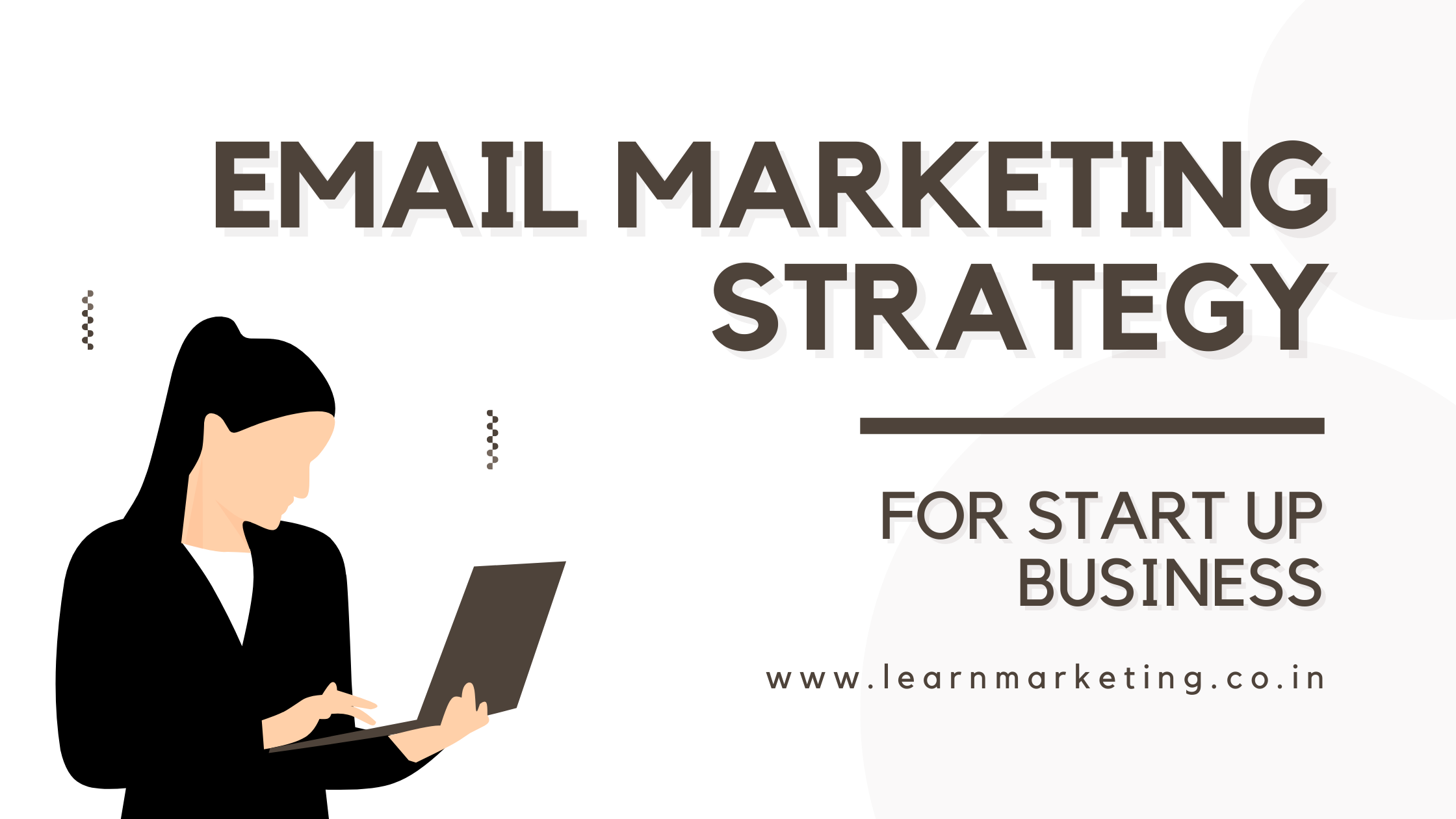
Email marketing is the practice of sending permission-based messages to a list you own, in order to sell, retain and educate — and it still produces outsized business impact in 2026 because it is the only major channel where you control the audience and the marginal cost per message is close to zero. The impact comes from three things in this order: list quality, deliverability, and lifecycle automation. Subject-line tricks, template design and send-time tuning matter, but they move the number by single-digit percentages; the three fundamentals move it by multiples.
This article covers what email actually costs in India today, the arithmetic of a real campaign, how it compares with WhatsApp and SMS, and the failure modes that quietly kill programmes that look fine on a dashboard.
What email marketing actually is — and what it isn’t
An email programme has two halves. Broadcast campaigns are the one-off sends: a launch, a sale, a newsletter. Lifecycle or triggered flows are automated sequences fired by a customer action — a signup, an abandoned cart, a delivered order, 120 days of silence.
Most brands spend 90% of their effort on broadcasts and get most of their revenue from flows. That imbalance is the single most common diagnosis when someone says email isn’t working for them.
Email is also not an acquisition channel. You cannot cold-email your way to growth without wrecking your sending reputation and, in several jurisdictions, breaking the law. Email converts demand that other channels create. If you need new people at the top of the funnel, that is a paid social or search problem — see Meta Ads vs Google Ads: Where Your First Lakh Should Go — and email’s job is to make each of those expensively acquired people worth more over time.
The four jobs email does well
- Retention and repeat purchase. The highest-return use of email. A customer who already bought has a known address, known preferences and a known purchase date. Replenishment, cross-sell and win-back flows all key off that.
- Lead nurture. For considered purchases — B2B software, education, financial products, real estate — the gap between first touch and decision is weeks or months. Email is the cheapest way to stay present in that gap.
- Owned reach. Algorithm changes can halve your organic social reach overnight. A clean email list with good deliverability reaches roughly the same share of people this month as last month.
- First-party data collection. Preference centres, quizzes and post-purchase surveys turn anonymous traffic into profiled contacts. That data feeds every other channel too — more on that in First-Party Data Strategy for Small Marketing Teams.
What email marketing costs in India
Email service provider (ESP) pricing is usually charged either per contact stored or per email sent. Contact-based pricing punishes list bloat; send-based pricing punishes over-mailing. Which model suits you depends on whether your list is large and quiet or small and frequently mailed.
The bands below are indicative monthly costs for a list of roughly 10,000 contacts on a mid-tier plan, converted at approximately ₹85–90 to the US dollar and excluding 18% GST. Vendors re-price often — use these to build a budget, then get a current quote.
| Tool | Indicative monthly cost, ~10,000 contacts | Free tier | Best fit |
|---|---|---|---|
| Zoho Campaigns | ₹1,500–3,000 | Yes, small lists | India-billed, GST invoice, teams already on Zoho |
| MailerLite | ₹1,500–3,000 | Yes, ~1,000 subscribers | Creators, newsletters, lean teams |
| Brevo | ₹1,800–4,000 | Yes, capped daily sends | Large quiet lists (billed on sends, not contacts) |
| Mailchimp | ₹4,000–8,000 | Very limited | Template ecosystem, non-technical marketers |
| Klaviyo | ₹4,500–9,000 | Yes, ~250 contacts | D2C ecommerce on Shopify or WooCommerce |
| HubSpot Marketing Hub | ₹15,000–45,000+ | Limited | Sales-led B2B where CRM and email must be one system |
| Amazon SES + your own front end | ₹350–1,500 in pure sending fees | Pay-as-you-go | High volume, in-house engineering available |
Amazon SES bills at roughly ₹9 per 1,000 emails, which is why it looks almost free — but it ships no templates, no segmentation UI and no automation builder. You are trading roughly ₹5,000 a month of software for several developer-days of build and ongoing maintenance. For a detailed feature-by-feature breakdown of the three tools most Indian teams shortlist, see Zoho vs HubSpot vs Mailchimp: the India price reality check.
A worked example: the arithmetic of one campaign
Numbers make the case better than adjectives. Take a D2C skincare brand with 40,000 subscribers and an average order value of ₹1,800, sending one promotional campaign. The figures below are illustrative assumptions, not benchmarks — substitute your own.
- 40,000 sent × 97% delivered = 38,800 delivered
- 38,800 × 2.5% click-through on delivered = 970 clicks
- 970 × 3% landing page conversion = 29 orders
- 29 × ₹1,800 = ₹52,200 revenue
- At 55% gross margin = ₹28,710 gross profit
Now the cost side. The ESP plan at that list size is around ₹6,000 a month across, say, four campaigns plus flows, so allocate roughly ₹1,500 to this send. Add three hours of copy and design at ₹800 an hour: ₹2,400. Total ≈ ₹3,900, leaving about ₹24,810 of gross profit.
The number worth writing on the wall is revenue per email sent: ₹52,200 ÷ 40,000 = ₹1.31. That single figure lets you compare a campaign against any other, and against other channels. If a send comes in at ₹0.20 per email, something is broken — usually the offer or the segment, not the subject line.
Email vs WhatsApp vs SMS in India
Indian marketers have a genuine choice here, and the economics differ sharply. The same 40,000-person audience costs about ₹1,500 to reach by email and, at roughly ₹0.70–0.90 per marketing template message under Meta’s per-message pricing, somewhere near ₹28,000–₹36,000 by WhatsApp. WhatsApp usually earns that premium on high-intent, time-boxed messages; it rarely earns it on a weekly newsletter.
| Channel | Indicative cost per message | Strengths | Watch out for |
|---|---|---|---|
| Fractions of a paisa at volume | Long-form, images, links, archivable, no per-message fee | Deliverability is fragile; inbox is crowded | |
| ~₹0.70–0.90 (marketing templates) | Very high open rates, two-way conversation, order updates | Cost scales linearly; template approval; opt-out fatigue | |
| SMS | ~₹0.12–0.25 per message | Universal reach, no app or data needed, OTP-grade reliability | DLT registration, 160 characters, near-zero brand texture |
| App/web push | Bundled into platform fee | Free at the margin once you have the audience | Requires an installed app or granted browser permission |
The practical answer for most Indian brands is a stack, not a winner: email for depth and frequency, WhatsApp for the two or three moments a quarter that justify the spend, SMS for transactional and legally required notices. The WhatsApp Marketing in India playbook covers the template and pricing mechanics in detail.
Deliverability is now most of the game
Since February 2024, Gmail and Yahoo have enforced requirements on bulk senders, and Microsoft extended similar rules to high-volume Outlook senders during 2025. If you send at scale, three things are effectively mandatory:
- Authentication. SPF (Sender Policy Framework), DKIM (DomainKeys Identified Mail) and DMARC (Domain-based Message Authentication, Reporting and Conformance) records published on your sending domain.
- One-click unsubscribe in the message headers, with the request honoured within two days.
- A spam complaint rate below 0.3%, with Google advising you stay under 0.1%. That is three complaints per thousand delivered — a threshold a single badly targeted blast can breach.
Two practical implications. First, send from a subdomain such as news.yourbrand.com rather than your root domain, so a promotional misstep never threatens your invoices and password resets. Second, warm new domains and IPs gradually — a few hundred sends a day to your most engaged contacts, doubling roughly every two or three days, for two to four weeks. Going from zero to 40,000 sends on day one is the fastest way to land permanently in spam.
The lifecycle flows that earn their keep
Build these in roughly this order. Each one runs indefinitely once set up, which is what makes flows structurally better value than broadcasts.
| Flow | Trigger | Timing | Why it matters |
|---|---|---|---|
| Welcome series | New subscriber | Immediate, +48h, +5 days | Engagement is highest here; it also trains inbox providers that people want your mail |
| Cart abandonment | Cart created, no order in 1h | +1h, +24h, +72h | Usually the highest-revenue flow for ecommerce |
| Browse abandonment | Product viewed, no cart | +4–12h | Lower intent — cap at one or two emails |
| Post-purchase | Order delivered | +3 days, +14 days | Reviews, usage tips, cross-sell at peak goodwill |
| Replenishment | ~70–80% of typical repurchase cycle | Varies by product | Strong for consumables; lifts purchase frequency directly |
| Win-back | No open or order in 90–180 days | 2–3 emails, then suppress | Recovers some revenue and doubles as list hygiene |
The failure modes people actually hit
Buying or scraping a list. It poisons your sender reputation within days, and under consent-based regimes it is straightforwardly unlawful. There is no version of this that ends well.
Never pruning. If 12,000 of your 40,000 contacts have not opened anything in six months, you are paying a higher pricing tier to send mail that depresses your engagement signals. Run a win-back sequence, then suppress. A 28,000-person list that gets delivered beats a 40,000-person list that gets filtered.
One list, one message. Sending identical mail to first-time buyers, lapsed customers and people who signed up yesterday guarantees that most of it is irrelevant to most recipients. Even three crude segments — never bought, bought once, bought twice or more — will beat none.
Optimising the wrong metric. Since Apple’s Mail Privacy Protection began pre-loading images in 2021, open rates have been inflated and unreliable. Treat them as a directional signal at best. Judge campaigns on click-to-delivered, conversion rate and revenue per recipient.
Hiding the unsubscribe link. People who cannot leave easily press the spam button instead, and that costs you far more than one lost subscriber.
Image-only emails. Many clients block images by default. If your message is one large graphic, a blocked-image recipient sees nothing, and spam filters treat text-free mail with suspicion.
Consent and the legal floor
India’s Digital Personal Data Protection (DPDP) Act, 2023 has moved into its rules and implementation phase, with obligations phasing in across 2026–27. The direction is settled even where the detail is still bedding down: consent must be specific, informed, purpose-limited and easy to withdraw, and you must be able to show when and how it was given. Check the currently notified timelines before you design anything.
If you email US recipients, CAN-SPAM requires accurate headers, a working opt-out and a physical postal address in every commercial message. If you email anyone in the EU or UK, GDPR requires prior consent in most cases. The safest operating standard for an Indian brand with international readers is simple: explicit opt-in, a timestamped record of it, and a one-click exit.
What this means for you
- Fix deliverability first. Publish SPF, DKIM and DMARC this week, move to a sending subdomain, and check your complaint rate. Nothing else you do matters if the mail doesn’t arrive.
- Build flows before broadcasts. Welcome and cart abandonment, in that order. Two flows typically outperform a month of one-off sends.
- Track revenue per email sent. Compute it for every campaign. It is the one number that makes email comparable to every other line in your budget.
- Prune quarterly. Run a win-back on anyone silent for 180 days, then suppress. Expect a lower contact count and a higher inbox placement rate.
- Segment at least three ways. Never bought, bought once, repeat buyer. Send each a different offer.
- Price the alternative before you switch channels. Reaching 40,000 people costs roughly ₹1,500 by email and near ₹30,000 by WhatsApp. Use the expensive channel only where the intent justifies it.
- Connect email to lifetime value, not just last-click revenue. A welcome flow’s real return shows up over months — this CLV walkthrough shows how to model it in a spreadsheet.
Frequently asked questions
What is email marketing and how does it work?
Email marketing is sending commercial or educational messages to people who have given permission to be contacted, using an email service provider that handles list storage, segmentation, sending and reporting. It works in two modes: broadcast campaigns sent to a chosen segment at a chosen time, and automated lifecycle flows triggered by customer behaviour such as signing up, abandoning a cart or going quiet for 90 days. Because you own the list, reach does not depend on an advertising auction or a social algorithm, and the cost per additional message is close to zero.
Is email marketing still effective in 2026?
Yes, for retention and nurture — but the bar is higher than it used to be. Inbox providers now enforce authentication, one-click unsubscribe and low spam-complaint thresholds on bulk senders, so brands with sloppy list practices get filtered where they once got through. Brands that authenticate properly, prune inactive contacts and run automated lifecycle flows still see email as one of their cheapest revenue channels. What no longer works is buying lists, blasting everyone the same message, or judging success by open rates, which have been unreliable since privacy features began pre-loading images.
How much does email marketing cost in India?
For a list of around 10,000 contacts, mainstream tools typically cost between ₹1,500 and ₹9,000 per month before 18% GST, depending on the platform and feature tier. Zoho Campaigns and MailerLite sit at the lower end, Mailchimp and Klaviyo in the middle, and HubSpot Marketing Hub considerably higher because it bundles a CRM. Sending infrastructure alone, via Amazon SES, costs roughly ₹9 per 1,000 emails but ships no templates or automation. Add copy and design time — often the larger real cost for small teams — when you budget.
What is a good open rate and click rate for email?
Open rates have been distorted since 2021 by privacy features that pre-load images, so they overstate real attention and should be treated as directional only. The more reliable measure is click-to-delivered rate, which for broadcast campaigns commonly lands in the low single digits, and is usually several times higher for triggered flows such as welcome and cart-abandonment sequences. Rather than chasing a published benchmark, track your own revenue per email sent over time. A campaign that earns ₹1.30 per email beats one that earns ₹0.20 regardless of how the open rates compare.
Do I need consent to send marketing emails in India?
Yes. India’s Digital Personal Data Protection Act, 2023 is being implemented in phases, and it requires consent that is specific, informed, purpose-limited and easy to withdraw, with records you can produce on request. Beyond Indian law, if any recipients are in the United States, CAN-SPAM requires a working opt-out and a physical postal address in every commercial email; recipients in the EU or UK are covered by GDPR, which generally requires prior consent. The practical standard is explicit opt-in, a timestamped record, and one-click unsubscribe honoured within two days.
Should a small Indian brand start with email or WhatsApp?
Start with email, then add WhatsApp for high-intent moments. Email costs fractions of a paisa per message, so you can send frequently, test offers and build lifecycle flows without the cost scaling with your list. WhatsApp marketing template messages in India cost roughly ₹0.70–0.90 each, meaning a single send to 40,000 contacts can run past ₹30,000 — justified for a flash sale or a delivery update, rarely for a newsletter. Most brands end up using both: email for depth and frequency, WhatsApp for a handful of high-value sends each quarter.